Drone Wedding Videography: What Couples Should Know Before Their Wedding
Drone footage can add an entirely different perspective to a wedding film. A sweeping view of your venue, the surrounding landscape, or the two of you walking together can help establish the setting and give your film a cinematic sense of scale.
But drone coverage isn't as simple as arriving at a wedding, putting a drone in the air, and pressing record. There are several things couples should understand before expecting aerial footage as part of their wedding film.
What Does Drone Footage Add to a Wedding Film?
We don't believe a drone should be used just because it's available.
Drone footage works best when it helps tell the story of the day.
Aerial shots can establish your venue, show the surrounding landscape, capture an outdoor ceremony from a different perspective, or create a beautiful transition between locations.
For venues with large estates, waterfront views, mountains, vineyards, gardens, city skylines, or other distinctive surroundings, aerial footage can be especially impactful.
The goal isn't to fill your wedding film with drone shots. It's to use them intentionally.
Drone Coverage Is Never Guaranteed
Even when drone coverage is included or planned, there are circumstances where flying simply may not be possible.
Weather is one of the biggest factors. High winds, heavy rain, poor visibility, and other unsafe conditions can prevent a drone from being flown safely.
Location matters as well.
Some venues don't allow drones on their property. Certain locations may also fall within controlled or restricted airspace where additional authorization may be required or flying may not be permitted.
Safety always comes first.
If conditions aren't appropriate, we won't risk people, property, equipment, or the wedding day simply to get an aerial shot.
Your Venue May Have Its Own Rules
If drone footage is important to you, it's worth asking your venue about its drone policy before the wedding.
Some properties welcome aerial filming, while others have restrictions because of privacy, insurance, neighboring properties, wildlife, local rules, or safety concerns.
Communication between the couple, venue, planner, and video team ahead of time can prevent surprises on the wedding day.
When Do We Typically Capture Drone Footage?
We look for opportunities that make sense naturally within the wedding timeline.
That might include establishing shots of the venue before guests arrive, the surrounding property, an outdoor ceremony location, or a brief creative session with the couple.
We don't want drone coverage to interrupt the flow of your wedding.
If capturing a drone shot means pulling you away from your guests for an unnecessary amount of time, that shot may not be worth it.
The wedding comes first. The footage comes second.
Drone Footage Should Complement Your Story
One mistake couples sometimes make when thinking about cinematic wedding films is assuming bigger automatically means better.
It doesn't.
A beautiful aerial shot of a venue can be incredible, but it won't replace the expression on your partner's face when you walk down the aisle, your parents' reactions during a speech, or the energy on the dance floor.
Those intimate moments are the heart of the story.
We view aerial cinematography as another storytelling tool—one that complements the people, emotion, sound, movement, and details already happening throughout your day.
Ask Your Wedding Videographer These Questions
If drone coverage is something you'd like in your wedding film, ask your videographer:
- Do you offer drone wedding videography?
- Is drone coverage included in my package or an additional service?
- What happens if weather prevents you from flying?
- Does our venue permit drone operation?
- Are there airspace restrictions around our venue?
- Who determines whether conditions are safe enough to fly?
- How do you incorporate aerial footage into the final wedding film?
You should also understand whether drone coverage is guaranteed or dependent on weather, location, venue permission, airspace restrictions, and safe operating conditions.
How AlphaScape Studios Approaches Drone Coverage
At AlphaScape Studios, we use drone footage when it adds something meaningful to the wedding story rather than treating it as a gimmick.
We look at the venue, environment, timeline, weather, and creative opportunities available that day. When conditions allow, aerial footage can give us another perspective to establish where your wedding took place and add scale to the finished film.
When conditions don't allow it, we focus on what matters most: the moments happening in front of us.
Ultimately, nobody should remember their wedding day because the videographer was trying to get a drone shot.
They should remember the people, the emotions, and the experience.
Our job is to preserve those memories—and use every creative tool available to tell that story beautifully.
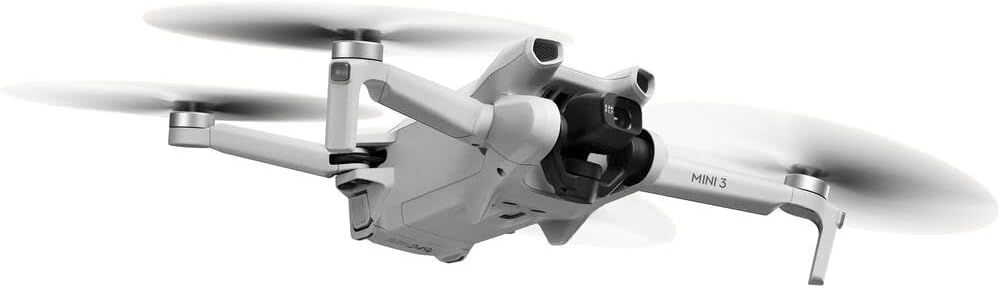
1. DJI Air 3

Best All-Around Drone for Wedding Professionals
- Camera: Dual lens (Wide + 3x Medium Tele), 4K/60fps, 48MP photos
- Flight Time: Up to 46 minutes
- Key Features: Omnidirectional obstacle avoidance, SmartTrack, HDR
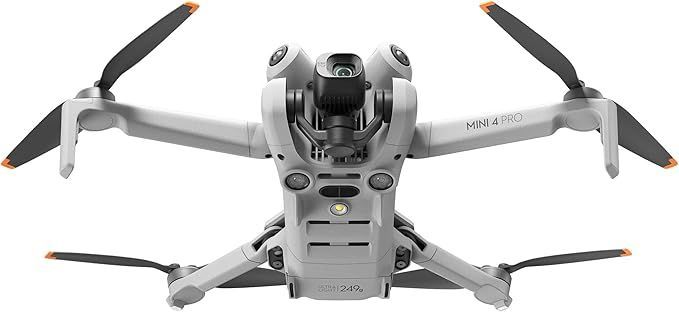
2. DJI Mini 4 Pro

Best Lightweight Drone for Travel and Legal Compliance
- Camera: 4K/60fps, 48MP
- Flight Time: Up to 34 minutes
- Weight: Under 249g
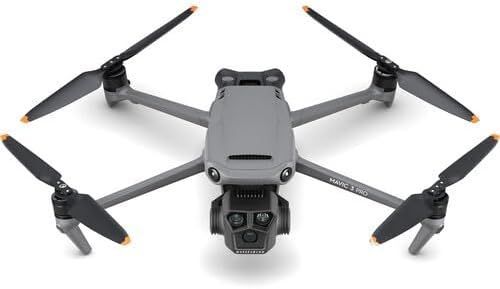
3. DJI Mavic 3 Pro

Best Drone for Cinematic Destination Wedding Films
- Camera: Hasselblad 5.1K + dual telephoto lenses
- Flight Time: Up to 43 minutes
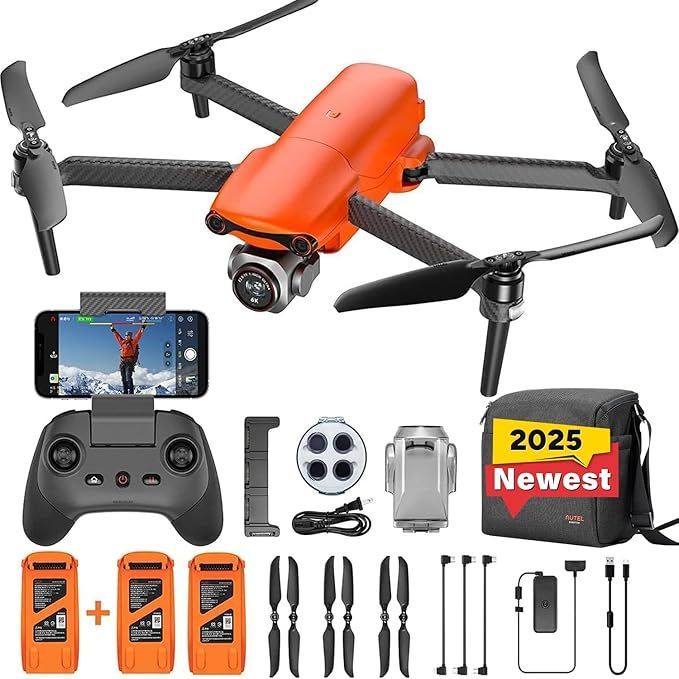
4. Autel EVO Lite+

Best DJI Alternative with Low-Light Performance
- Camera: 6K/30fps, 50MP 1-inch sensor
- Flight Time: Up to 40 minutes