Why Photographer & Videographer Teamwork Matters on Your Wedding Day

Nathan Grant • May 1, 2025

Your wedding photographer and videographer may come from two different companies, but on your wedding day, they should feel like one creative team.


Couples can tell when the energy between vendors is off. Sometimes, we've even seen brides and grooms try to lighten the mood with jokes when they sense tension between members of their creative team. That's something a couple shouldn't have to worry about on their wedding day.


When everyone is on the same page, the day moves more smoothly. Moments aren't unnecessarily delayed, vendors understand their roles, and most importantly, the couple can remain present and enjoy their celebration.

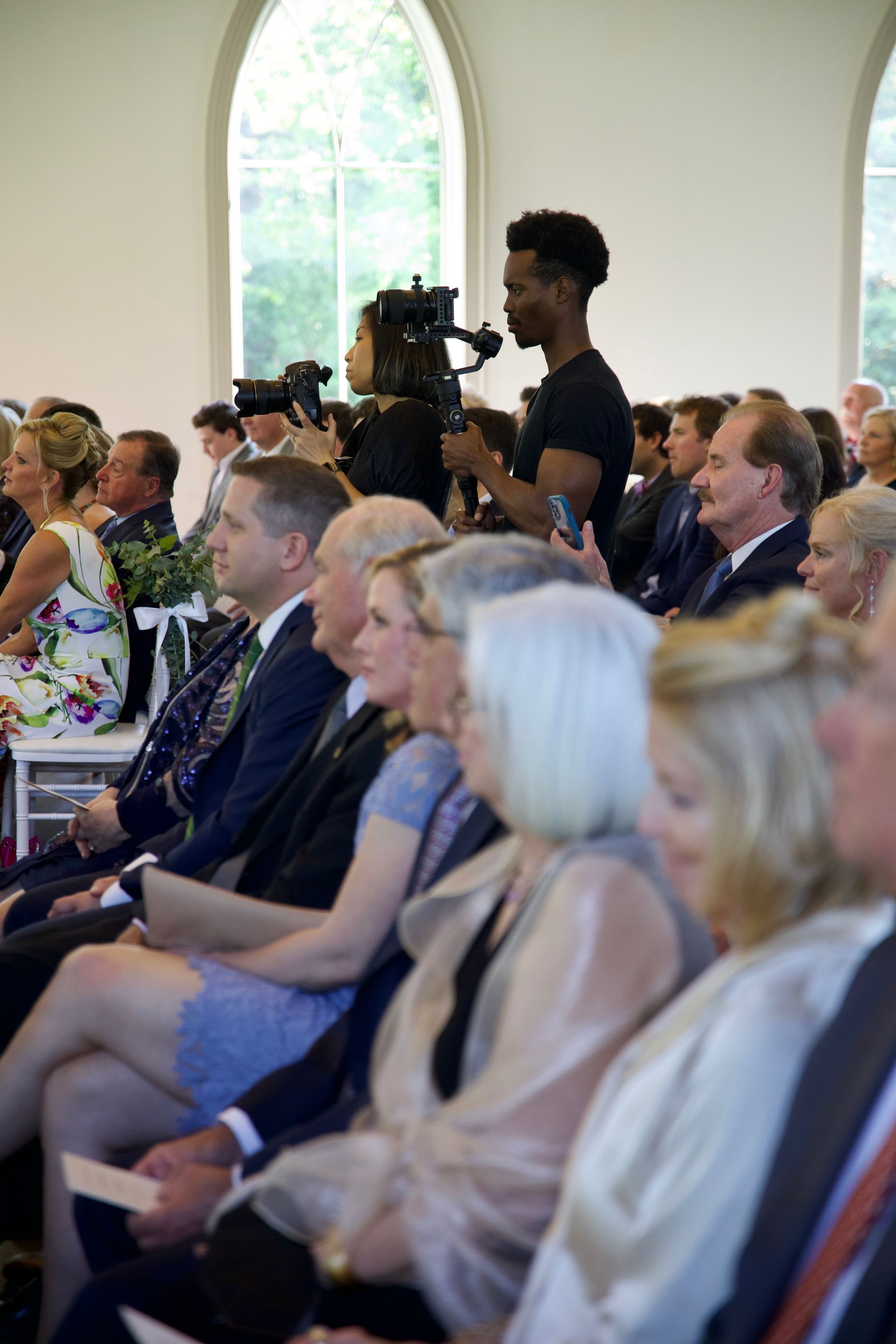
A group of people are sitting in a church watching a wedding ceremony.

One of the biggest lessons we've learned through photographing and filming weddings is knowing when to direct and when to simply let a moment happen.


Not every moment needs to be posed.


Sometimes the best thing we can do is give the couple space and allow the moment to breathe— the laughter, nervousness, emotion, interactions between family members, or a quiet moment between the bride and groom.


Then, when direction is needed, we step in.


A great photography and videography team understands that balance. The goal isn't to control every second of the wedding. It's to create an environment where authentic moments can happen while providing confident direction when the moment calls for it.


What Great Photo & Video Teamwork Looks Like


Great teamwork isn't complicated. It starts with communication and mutual respect.


Sometimes it means piggybacking off each other's poses and direction. If the photographer has positioned the couple beautifully, the videographer may capture movement or cinematic footage from that setup instead of immediately changing everything. Likewise, a photographer may see an opportunity created by something the video team is doing.


Everyone gets something great without constantly interrupting the couple.


It also means giving each team enough time to get their shot rather than rushing someone because another person wants to move on.


Good teams are mindful of each other's camera angles, avoid unnecessarily walking through shots, and communicate about where they'll be positioned during important moments like the ceremony, first look, speeches, first dance, and entrances.


That coordination helps everything move along efficiently while giving both teams the freedom to create.


What Happens When There Isn't Good Coordination?


Poor coordination can directly affect the couple's final coverage.


A photographer walking through a videographer's frame can interfere with an important piece of footage. A videographer standing directly in a photographer's angle can do the same thing to a photograph.


And some moments can't simply be recreated.


We've experienced weddings where space was extremely limited and both teams needed to work within the same small area. During one wedding, communication between the photography and video teams broke down. Instead of discussing positioning, frustration developed, and a member of the photography team repeatedly entered the videographer's shot.


The problem wasn't that both teams needed the same space—that's normal at weddings.


The problem was the lack of communication.


A quick conversation about positioning could have prevented most of it.


Experiences like that have reinforced something important for us: the couple should never receive compromised coverage because two creative teams couldn't work together.


One Advantage of Booking Photo & Video Together

Booking photography and videography through one company can greatly improve coordination.


The photographers and videographers already understand the same expectations, workflow, communication style, and approach to the wedding day.


That doesn't mean couples need to book both services from the same company. Separate photography and videography teams can work incredibly well together.


But when you do hire separate companies, it's worth making sure both are comfortable collaborating with other professionals.


How AlphaScape Studios Works With Other Creative Teams

When AlphaScape Studios works alongside a photographer, videographer, planner, or creative team from another company, one of the first things we do is introduce ourselves.


We don't want the first conversation between us to happen five minutes before the ceremony.

We try to get a feel for how the other team works, understand their style and approach, and ask the necessary questions before important moments begin.


  • Where are you planning to stand during the ceremony?
  • Which angle are you covering?
  • How do you normally approach portraits?
  • Is there anything specific you're planning that we should know about?


Those simple conversations help ensure nobody is stepping on anyone else's toes.


We're all there for the same reason.


Questions Couples Should Ask Before Booking

If you're hiring your photographer and videographer separately, consider asking both teams:


  • Have you worked alongside separate photography or videography teams before?
  • How do you coordinate with other wedding vendors?
  • How do you handle positioning during the ceremony?
  • Do you communicate with the other creative team before or on the wedding day?
  • How do you make sure you're not interfering with the other team's shots?
  • How do you balance directing us with capturing candid moments?


Their answers can tell you a lot about how they'll operate when your wedding day arrives.


The Couple Comes First

Photographers and videographers aren't competitors on your wedding day.


We may be using different cameras, looking for different angles, and creating different final products, but the objective should always be the same:


Give the couple the best possible experience and preserve their wedding beautifully.


Great teams communicate. They respect each other's space. They build off each other's creativity. They know when to direct and when to let a moment breathe.


Because years from now, the couple won't care about which vendor got their shot first.


They'll have their photographs and their wedding film—and those memories are what matter.

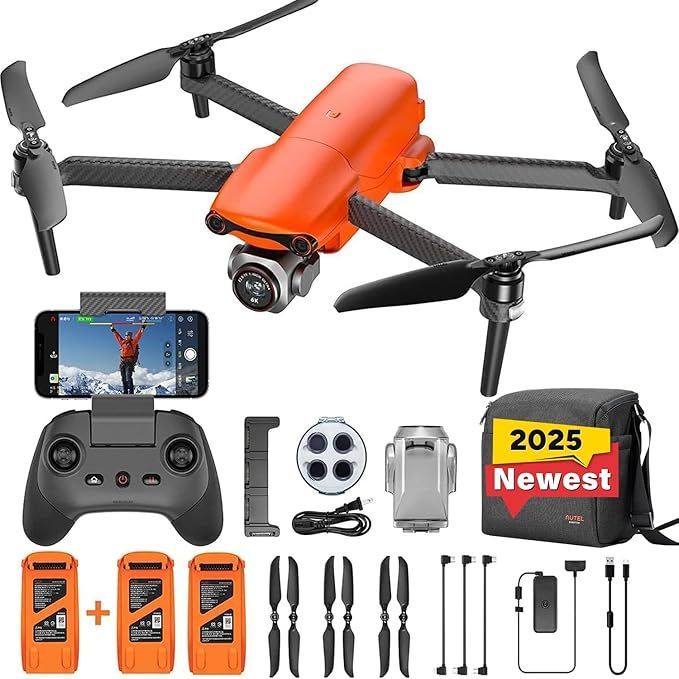
Orange quadcopter drone kit with remote, phone mount, extra batteries, propellers, and tools
By Nathan Grant April 24, 2025
Drone footage can add an entirely different perspective to a wedding film. A sweeping view of your venue, the surrounding landscape, or the two of you walking together can help establish the setting and give your film a cinematic sense of scale. But drone coverage isn't as simple as arriving at a wedding, putting a drone in the air, and pressing record. There are several things couples should understand before expecting aerial footage as part of their wedding film. What Does Drone Footage Add to a Wedding Film? We don't believe a drone should be used just because it's available. Drone footage works best when it helps tell the story of the day. Aerial shots can establish your venue, show the surrounding landscape, capture an outdoor ceremony from a different perspective, or create a beautiful transition between locations. For venues with large estates, waterfront views, mountains, vineyards, gardens, city skylines, or other distinctive surroundings, aerial footage can be especially impactful. The goal isn't to fill your wedding film with drone shots. It's to use them intentionally. Drone Coverage Is Never Guaranteed Even when drone coverage is included or planned, there are circumstances where flying simply may not be possible. Weather is one of the biggest factors. High winds, heavy rain, poor visibility, and other unsafe conditions can prevent a drone from being flown safely. Location matters as well. Some venues don't allow drones on their property. Certain locations may also fall within controlled or restricted airspace where additional authorization may be required or flying may not be permitted. Safety always comes first. If conditions aren't appropriate, we won't risk people, property, equipment, or the wedding day simply to get an aerial shot. Your Venue May Have Its Own Rules If drone footage is important to you, it's worth asking your venue about its drone policy before the wedding. Some properties welcome aerial filming, while others have restrictions because of privacy, insurance, neighboring properties, wildlife, local rules, or safety concerns. Communication between the couple, venue, planner, and video team ahead of time can prevent surprises on the wedding day. When Do We Typically Capture Drone Footage? We look for opportunities that make sense naturally within the wedding timeline. That might include establishing shots of the venue before guests arrive, the surrounding property, an outdoor ceremony location, or a brief creative session with the couple. We don't want drone coverage to interrupt the flow of your wedding. If capturing a drone shot means pulling you away from your guests for an unnecessary amount of time, that shot may not be worth it. The wedding comes first. The footage comes second. Drone Footage Should Complement Your Story One mistake couples sometimes make when thinking about cinematic wedding films is assuming bigger automatically means better. It doesn't. A beautiful aerial shot of a venue can be incredible, but it won't replace the expression on your partner's face when you walk down the aisle, your parents' reactions during a speech, or the energy on the dance floor. Those intimate moments are the heart of the story. We view aerial cinematography as another storytelling tool—one that complements the people, emotion, sound, movement, and details already happening throughout your day. Ask Your Wedding Videographer These Questions If drone coverage is something you'd like in your wedding film, ask your videographer: Do you offer drone wedding videography? Is drone coverage included in my package or an additional service? What happens if weather prevents you from flying? Does our venue permit drone operation? Are there airspace restrictions around our venue? Who determines whether conditions are safe enough to fly? How do you incorporate aerial footage into the final wedding film? You should also understand whether drone coverage is guaranteed or dependent on weather, location, venue permission, airspace restrictions, and safe operating conditions. How AlphaScape Studios Approaches Drone Coverage At AlphaScape Studios, we use drone footage when it adds something meaningful to the wedding story rather than treating it as a gimmick. We look at the venue, environment, timeline, weather, and creative opportunities available that day. When conditions allow, aerial footage can give us another perspective to establish where your wedding took place and add scale to the finished film. When conditions don't allow it, we focus on what matters most: the moments happening in front of us. Ultimately, nobody should remember their wedding day because the videographer was trying to get a drone shot. They should remember the people, the emotions, and the experience.  Our job is to preserve those memories—and use every creative tool available to tell that story beautifully.
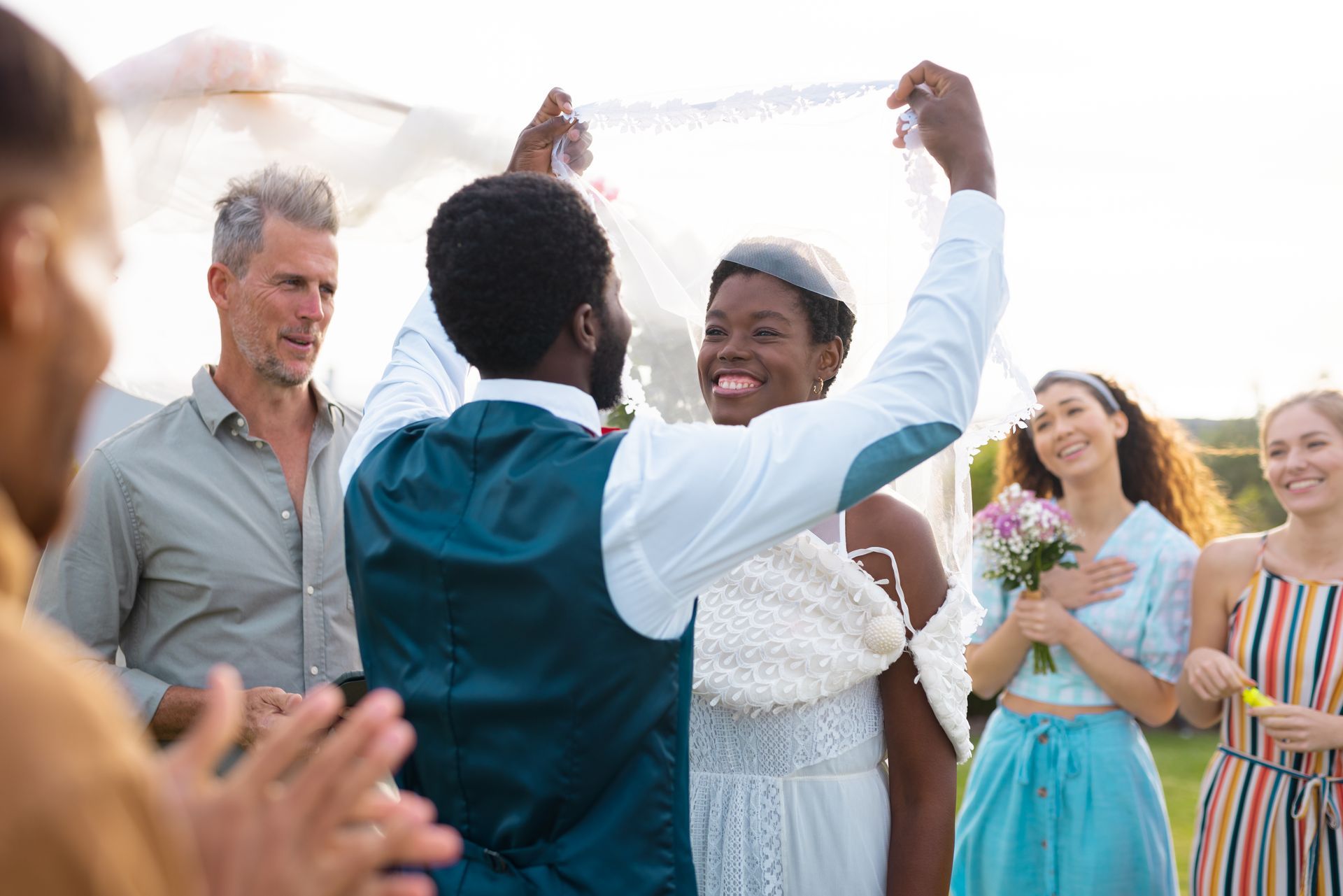
A bride and groom are celebrating their wedding with their wedding party.
By Nathan Grant March 11, 2025
Your wedding day is one of the most important moments of your life, and capturing it on film ensures that you can relive the magic for years to come. With so many types of wedding videos available, it can be overwhelming to choose the perfect style for your celebration. Whether you're looking for something cinematic, documentary-style, or personalized, there's a wedding video format to fit your unique style. Here’s a breakdown of the most popular types of wedding videos to help you decide which one is right for you.
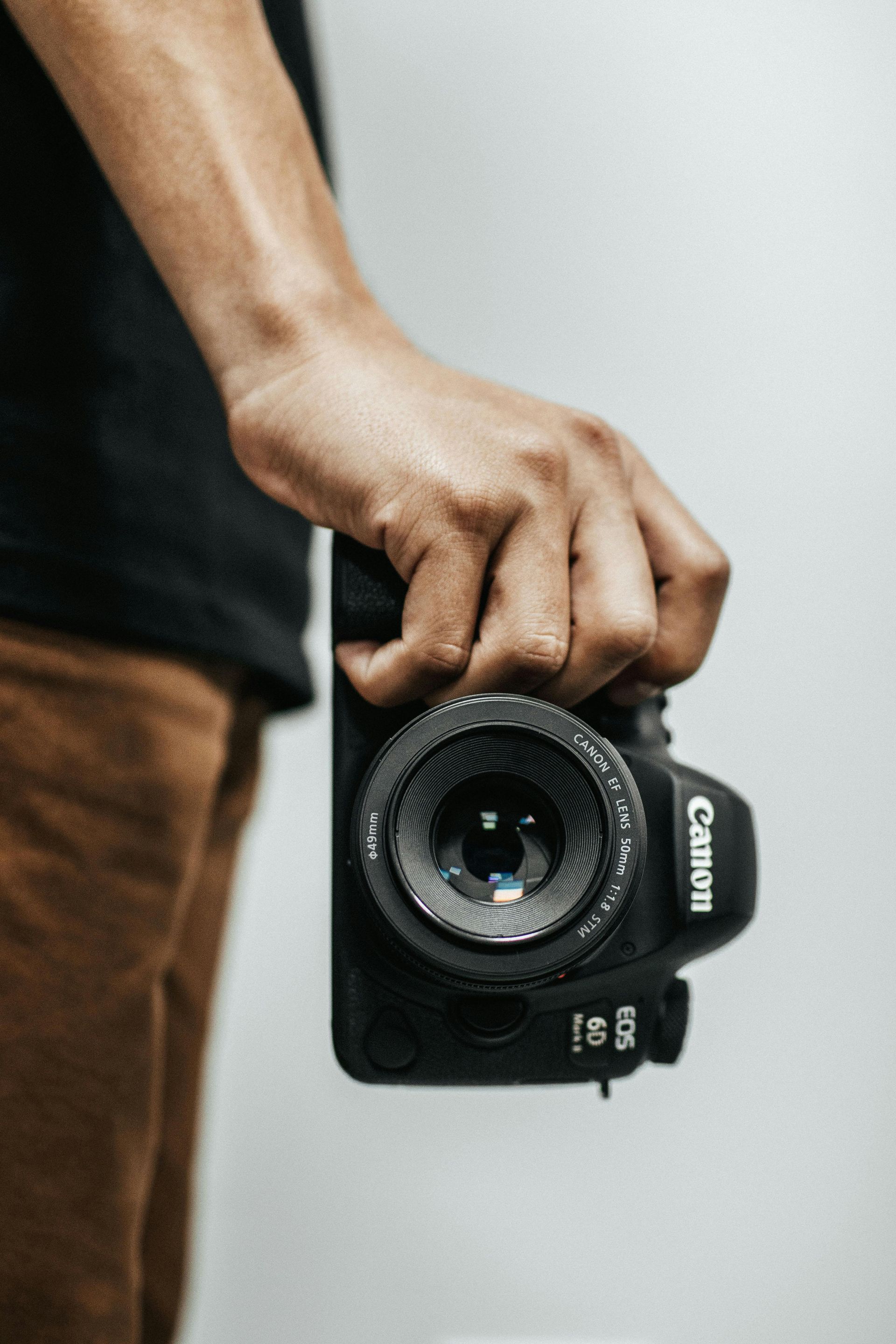
A person is holding a canon camera in their hand.
By John Pearson January 19, 2025
Corporate events move quickly. Keynote speakers, networking conversations, awards, presentations, sponsor activations, and candid interactions can all happen within a matter of minutes. Professional corporate event photography isn't simply about having someone with a camera in the room. It's about documenting your event in a way that represents your organization professionally while creating images you can continue using long after the event is over.
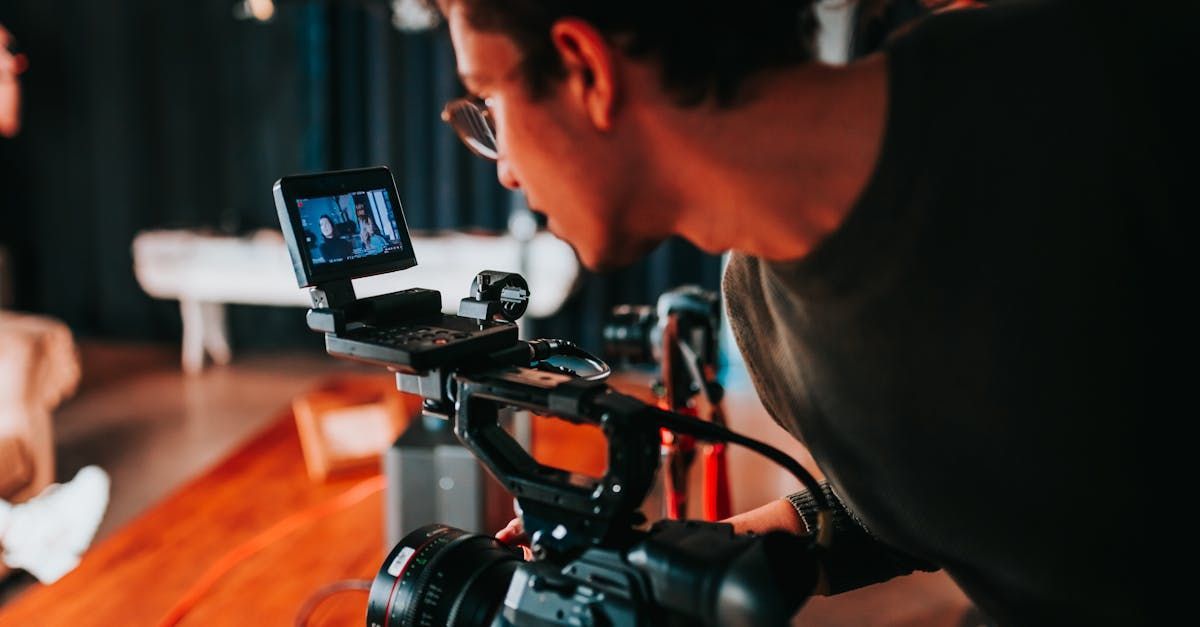
A man is looking at the screen of a video camera.
By John Pearson January 7, 2025
When planning a wedding, there are countless decisions competing for your budget. The venue, photography, flowers, entertainment, attire, décor, transportation—the list can feel endless. Then comes the question: Do we really need a wedding videographer? Photography is often considered essential, while videography can sometimes feel like an extra. But photography and cinema preserve your wedding in two very different ways. Your photographs allow you to remember how your wedding looked.  Your wedding film allows you to experience how it felt.